
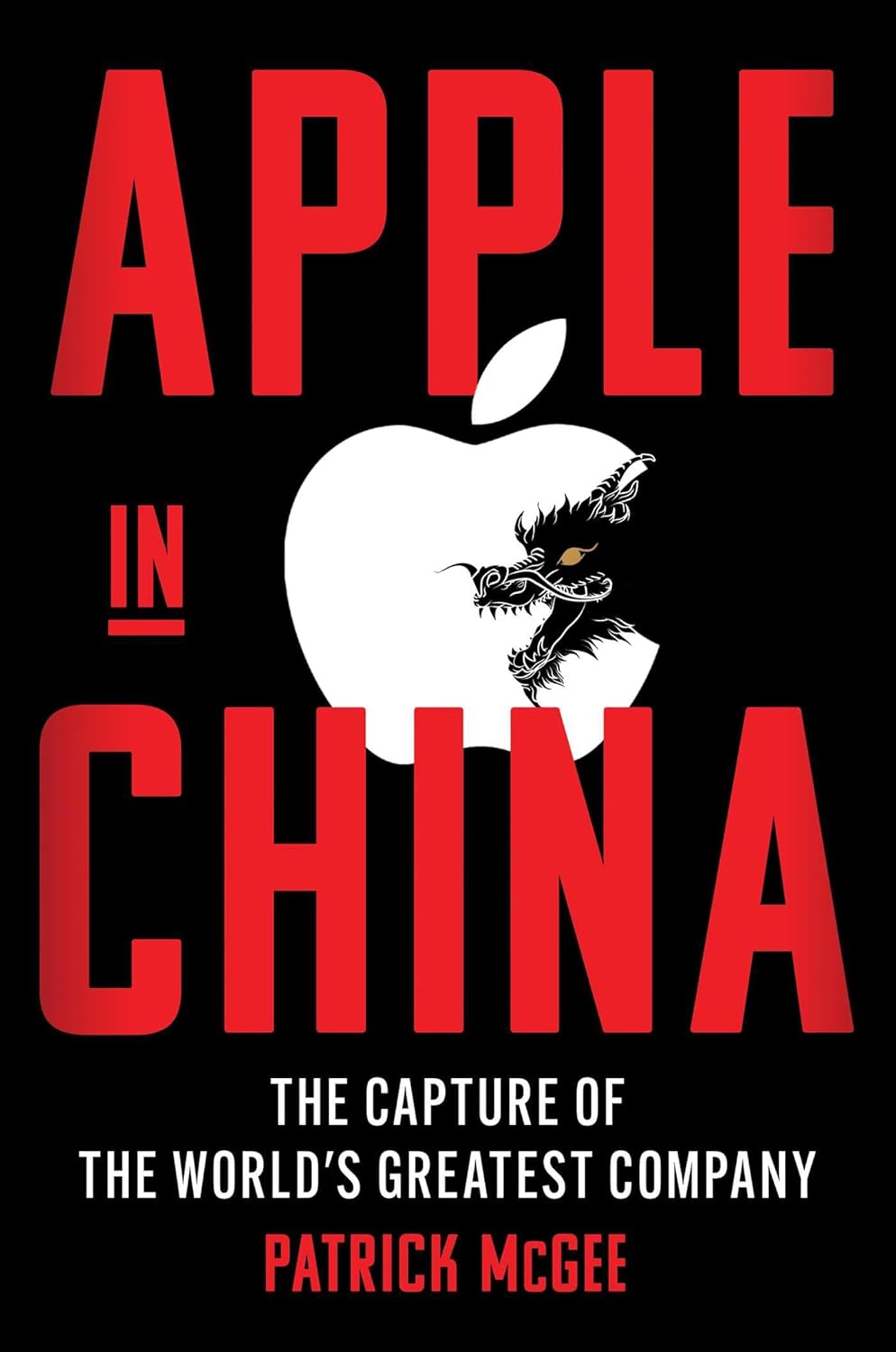
Explore our in-depth Apple in China book review, uncovering Patrick McGee’s gripping analysis of Apple’s ties with China. A must-read for tech enthusiasts!
Introduction: Why Apple in China Demands Your Attention
In a world where technology giants shape global economies and geopolitics, few stories are as compelling as Apple’s entanglement with China. Patrick McGee’s Apple in China: The Capture of the World’s Greatest Company offers a meticulously researched and thought-provoking exploration of this relationship. As a tech enthusiast and avid reader, I dove into this book expecting a corporate history, but what I found was a narrative that reads like a geopolitical thriller, blending business strategy, cultural dynamics, and ethical dilemmas. This Apple in China book review will unpack the book’s plot, themes, strengths, and weaknesses, offering insights into why it’s a must-read for anyone interested in technology, global trade, or the intricate dance between profit and principles.
Published on May 13, 2025, by Simon & Schuster, this 400-page hardcover has already garnered praise for its incisive storytelling and bold claims. McGee, a seasoned Financial Times reporter, leverages his deep knowledge of China and the tech industry to craft a narrative that’s both informative and gripping. Whether you’re an Apple fan, a skeptic of corporate power, or simply curious about how a tech giant navigates an authoritarian state, this book delivers. Let’s dive into this Apple in China book review to explore what makes it stand out.
Overview of Apple in China: Plot and Structure
The Plot: A 30-Year Saga of Ambition and Compromise
Apple in China traces Apple’s three-decade journey from a struggling tech company to the world’s most valuable corporation, with China as its unlikely partner. The book begins in the 1990s, when Apple, under Steve Jobs’ second tenure, faced financial challenges and sought cost-effective manufacturing solutions. Enter China, a country eager to modernize its economy and become a global manufacturing hub. What started as a pragmatic decision to outsource production to Chinese factories evolved into a complex, symbiotic relationship that transformed both Apple and China.
McGee structures the narrative chronologically, detailing key milestones: Apple’s initial partnerships with manufacturers like Foxconn, its expansion of supply chains across China, and the increasing demands from the Chinese government. The book highlights pivotal moments, such as Apple’s negotiations to enter the Chinese consumer market, its concessions on data privacy, and its reliance on China for nearly 20% of its revenue by the 2020s. The narrative culminates in a sobering reflection on how Apple’s dependence on China has created vulnerabilities—not just for the company but for global technology supply chains.
Characters: Real-Life Players in a High-Stakes Game
Rather than fictional characters, Apple in China features real-life figures who drive the story. Steve Jobs looms large as the visionary who saw China’s potential but underestimated its long-term influence. Tim Cook, Apple’s current CEO, emerges as a pragmatic strategist, navigating diplomatic challenges with Chinese officials while maintaining Apple’s profitability. McGee also introduces lesser-known players, such as Foxconn’s founder Terry Gou and Chinese government officials, who wield significant influence behind the scenes.
McGee humanizes these figures without idolizing them. For instance, he portrays Cook as both a brilliant negotiator and a leader forced to make uncomfortable compromises, such as complying with China’s censorship laws. This nuanced characterization adds depth, making the book feel less like a dry corporate history and more like a drama with real stakes.
Themes: Power, Profit, and Ethical Trade-Offs
At its core, Apple in China grapples with several profound themes:
- Globalization and Interdependence: The book illustrates how Apple’s success is inseparable from China’s rise as a manufacturing powerhouse. Yet, this interdependence comes at a cost, as Apple becomes beholden to a state with values often at odds with its own.
- Corporate Ethics vs. Profit: McGee questions whether Apple’s pursuit of profit has compromised its moral standing, particularly in areas like labor rights and data privacy.
- Geopolitical Risks: The book argues that Apple’s reliance on China has created an “existential vulnerability” for global technology supply chains, a theme that resonates in today’s tense U.S.-China relations.
These themes are woven seamlessly into the narrative, encouraging readers to reflect on the broader implications of corporate decisions in a globalized world.
Language and Narrative Style: Accessible Yet Authoritative
McGee’s writing is one of the book’s standout features. His journalistic background shines through in clear, concise prose that makes complex topics—supply chain logistics, trade policies, and geopolitical tensions—accessible to a general audience. The narrative style blends investigative reporting with storytelling, using vivid anecdotes to bring key moments to life. For example, McGee describes a tense meeting between Apple executives and Chinese officials with cinematic detail, capturing the high-stakes atmosphere.
The book also incorporates data and statistics to bolster its arguments, such as the fact that China accounts for 95% of iPhone production. These figures are presented in a way that supports the narrative without overwhelming the reader. McGee’s tone is objective yet critical, inviting readers to draw their own conclusions about Apple’s actions.
Personal Analysis and Reflections
What Resonated with Me
As someone who’s followed Apple’s rise since the iPhone’s debut, I found Apple in China both enlightening and unsettling. The book challenged my perception of Apple as a company driven solely by innovation and design. McGee’s argument that Apple’s success owes as much to China’s manufacturing prowess as to its own ingenuity is compelling. A particularly striking moment is when McGee quotes a Chinese factory worker: “We don’t just assemble iPhones; we make Apple possible.” This line underscores the human cost behind Apple’s sleek products, a perspective often overlooked in tech narratives.
The book also prompted me to reflect on my role as a consumer. Like millions, I own Apple products, but I rarely consider the geopolitical and ethical implications of my purchases. McGee’s analysis made me question whether convenience and quality justify supporting a system that may undermine democratic values.
Critical Insights
McGee’s central thesis—that Apple’s partnership with China has empowered an authoritarian state while creating vulnerabilities for itself—is both bold and well-supported. He draws on extensive research, including interviews with industry insiders and government officials, to build a convincing case. However, I appreciated that he doesn’t vilify Apple outright. Instead, he presents its decisions as rational responses to market pressures, leaving room for debate about whether another path was possible.
One insight that stood out is McGee’s discussion of “supply chain innovation.” He argues that China’s ability to scale production rapidly—building entire factory cities in weeks—gave Apple a competitive edge that competitors couldn’t match. This perspective reframes China not as a mere labor source but as a strategic partner in Apple’s dominance.
Strengths of Apple in China
1. Compelling Storytelling
McGee’s ability to turn a complex business history into a page-turner is remarkable. The book balances technical details with human stories, such as the plight of Foxconn workers, making it engaging for both casual readers and industry experts.
2. Thorough Research
The book is grounded in rigorous research, drawing on primary sources like corporate documents, interviews, and McGee’s own reporting in China. This lends credibility to his claims, even when they’re controversial.
3. Timely Relevance
Published amid U.S.-China trade tensions, Apple in China feels urgent. Its exploration of supply chain risks and corporate ethics resonates with current debates about globalization and national security.
4. Balanced Perspective
McGee avoids sensationalism, presenting Apple’s decisions with nuance. He acknowledges the company’s achievements while critiquing its compromises, making the book feel fair and thoughtful.
Weaknesses of Apple in China
1. Limited Focus on Solutions
While McGee excels at diagnosing problems, he offers few concrete solutions for how Apple—or other tech giants—can reduce their reliance on China. This leaves the book feeling somewhat unresolved.
2. Occasional Repetition
Some points, such as Apple’s dependence on Foxconn, are reiterated multiple times, which can feel redundant in a 400-page book. Tighter editing could have streamlined the narrative.
3. Niche Appeal
Despite its accessible writing, the book’s focus on supply chains and geopolitics may not captivate readers uninterested in business or technology. A broader lens on cultural impacts could have widened its appeal.
Reader Reviews and Impressions
To gauge how Apple in China has been received, I looked at reader reviews on Amazon and Goodreads. Here’s a snapshot:
- Amazon (4.8/5 stars, based on 150 reviews): One reviewer called it “a must-read for anyone who owns an iPhone,” praising its “eye-opening” insights into Apple’s operations. Another noted, “McGee’s writing is sharp and engaging, but I wish he’d explored Apple’s competitors more.”
- Goodreads (4.5/5 stars, based on 200 reviews): A reader described it as “a gripping exposé that reads like a thriller,” while another felt it was “a bit dense for casual readers but rewarding for those interested in tech.”
These reviews align with my experience: the book is widely praised for its depth and storytelling, though some find its scope too narrow. Social media posts on X echo this sentiment, with users like @TeamCleveland calling it “one of the best books about tech, period.”
Why You Should Read Apple in China
If you’re fascinated by the intersection of technology, business, and global politics, Apple in China is a must-read. It’s not just a book about Apple; it’s a lens into the complexities of globalization and the ethical dilemmas facing modern corporations. McGee’s storytelling makes it accessible, while his research ensures it’s authoritative. Whether you’re a tech enthusiast, a business student, or simply curious about the world behind your iPhone, this book will leave you informed and provoked.
I highly recommend purchasing Apple in China from Amazon, where it’s available in hardcover, Kindle, and Audible formats. The audiobook, narrated by Fred Sanders, is particularly engaging for those who prefer listening. Dive into this Apple in China book review subject and discover a story that’s as relevant as it is riveting.
A Timely and Thought-Provoking Read
In this Apple in China book review, I’ve explored why Patrick McGee’s book is a standout in the crowded field of business literature. Its compelling narrative, rigorous research, and timely themes make it a worthy addition to any bookshelf. While it has minor flaws, such as limited solutions and occasional repetition, these don’t detract from its overall impact. Apple in China challenges readers to think critically about the companies they support and the global systems they enable.
As I closed the book, I couldn’t help but marvel at the paradox it presents: Apple, a symbol of innovation, owes much of its success to a country whose values often clash with its own. This tension lies at the heart of McGee’s story, making Apple in China not just a corporate history but a cautionary tale for our interconnected world. Grab your copy today and join the conversation about one of the most influential relationships in modern business.
“Enjoyed this review? Discover more in our Business & Money Reviews section.”


