
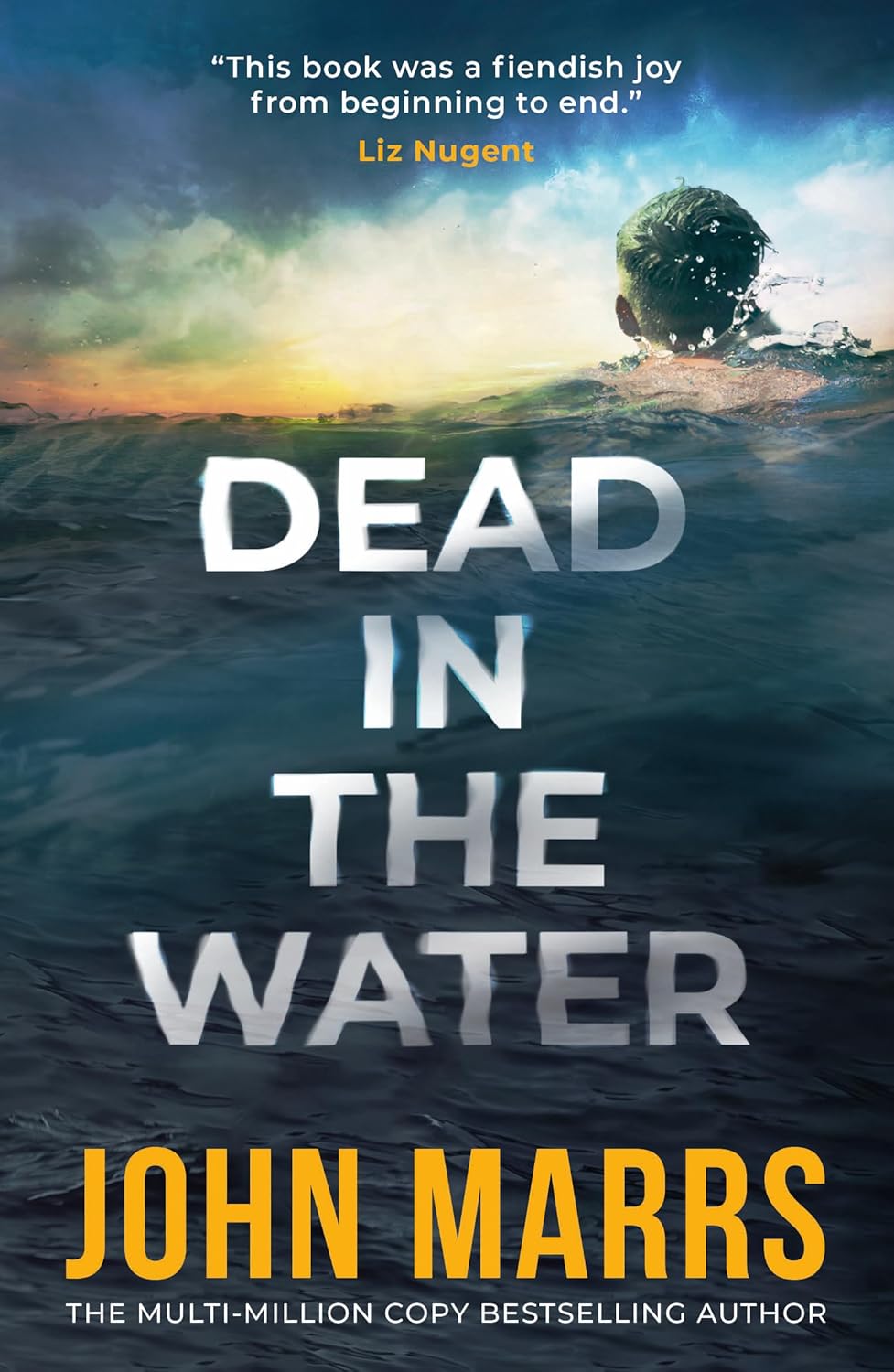
There is a specific kind of gravity that comes with a new John Marrs release. If you’ve spent any time in the psychological thriller or speculative fiction aisles over the last few years, you know the drill. We expect the rug to be pulled out from under us—not once, but perhaps three or four times before the final page. When I first saw the announcement for Dead Water, that familiar internal clock started ticking. Is this going to be the one that finally breaks the streak, or are we looking at another masterclass in narrative tension?
Let’s be honest: the thriller market is currently oversaturated with “unreliable narrators” and “twists you won’t see coming.” It’s exhausting. Yet, there’s something about the way Marrs approaches a premise that usually feels a bit more calculated, a bit more grounded in the dark corners of human psychology. So, is Dead Water worth reading? If you’re looking for the short answer: yes, but with a few caveats that only a seasoned veteran of the genre would notice.
The Murky Depths of the Premise
At its core, Dead Water centers on a claustrophobic, high-stakes environment where the boundaries between safety and peril are as thin as a sheet of glass. We aren’t just looking at a standard “locked room” mystery here; Marrs expands the scope to something that feels both intimate and expansive. The narrative direction takes us into a world where the elements themselves—specifically the water surrounding our protagonists—become a character in their own right.
What really stood out to me while reading was how the author handled the concept of isolation. It’s a common trope, sure. But here, the isolation isn’t just physical; it’s moral. We are introduced to characters who are carrying the kind of weight that would sink a ship, and seeing how those secrets begin to leak into their current reality is where the real “thrill” resides. This isn’t just about who survives; it’s about who deserves to.
At this point, I had to stop and think about how often we see the “survival” angle used as a crutch for poor character development. Thankfully, that isn’t the case here. The themes of accountability and the long shadow of past mistakes are woven into the plot with a very steady hand.
The Rhythm of the Page: Style, Flow, and a Familiar Voice
If you’ve read The One or What Lies Between Us, you’ll recognize the cadence of Marrs’ prose immediately. It’s punchy. It’s deliberate. He doesn’t waste time with flowery descriptions of scenery unless that scenery is about to kill someone. The pacing in this Dead Water review must highlight that the book moves like a riptide—quiet and unassuming at first, then suddenly dragging you under.
For a long-time reader like myself, I occasionally found the short, cliffhanger chapters a bit manipulative—a classic thriller tactic to keep you clicking “next page” late into the night. Does it work? Absolutely. But does it feel a bit like a “produced” experience? Sometimes. I wasn’t fully convinced here—at least not at first—that the multi-perspective approach was necessary, but as the threads began to tighten, the logic became clear.
The emotional weight is heavy. Marrs doesn’t do “light.” There’s a persistent sense of dread that permeates the dialogue. It’s the kind of book that makes you want to turn on an extra light in the house, not because there are ghosts, but because the human capacity for cruelty is far more terrifying.
Why Some Readers Might Feel the Chill
This is where opinions may split.
While I appreciated the complexity, I can see how a reader looking for a straightforward “whodunnit” might feel a bit overwhelmed by the sheer density of the characters’ backstories. There is a lot to keep track of. Some readers will love this—the puzzle-box nature of the narrative is a Marrs staple. Others might not have the patience for the slower build-up in the second act.
In my view, the mid-section of the book leans heavily into the internal monologues of the cast. While this builds immense empathy (or intense dislike, depending on the character), it does occasionally stall the forward momentum of the primary plot. I found myself wanting to get back to the “action” of the water-logged setting, only to be pulled back into a flashback about a character’s childhood. It’s a delicate balance, and while Marrs mostly stays upright, there are a few wobbles.
Five Reasons This Book Stays Above Water
Despite those minor gripes, what the book really does well is create an atmosphere of inescapable tension. Here are five specific strengths:
- Atmospheric Excellence: The setting isn’t just a backdrop; it’s a predatory force. You can almost feel the dampness on the pages.
- Moral Ambiguity: None of the characters are “good” in the traditional sense. This makes every interaction feel dangerous because you can’t trust anyone’s motives.
- The “Marrs Twist”: Without spoiling anything, the way the different timelines or perspectives eventually collide is satisfyingly clever.
- Social Commentary: Like much of his previous work, there are subtle (and not-so-subtle) nods to how society handles outcasts and the “disposable” people among us.
- Relentless Stakes: Once the primary conflict is established, the pressure never truly lets up until the final paragraph.
Comparing the Current to the Past
How does this stack up against the rest of the genre? If you’re comparing this to the “Domestic Noir” trend (the Girl on the Train clones), Dead Water is in a different league. It’s much more ambitious. It feels closer to the works of Blake Crouch or even a more grounded Stephen King. It’s “High-Concept Thriller” territory.
However, if I’m being truly honest—and this is coming from someone who has read everything Marrs has put out—it doesn’t quite reach the heights of The One. That’s a high bar to clear, though. Dead Water is a more somber, more focused character study that happens to be wrapped in a high-intensity survival plot.
Who Should Dive In?
I would recommend this to anyone who likes their thrillers with a side of philosophical dread. If you enjoy authors who challenge your perceptions of “right and wrong,” you’ll be right at home here.
However, if you are particularly sensitive to themes of confinement or if you prefer “heroic” protagonists who always do the right thing, you might want to sit this one out. This is a story about flawed people in a desperate situation making even more desperate choices.
Frequently Asked Questions about Dead Water
Is Dead Water a sequel to any of John Marrs’ other books? No, it is a standalone novel. While some of Marrs’ books share a loosely connected “universe” (especially his more sci-fi leaning ones), you can go into this one completely cold.
How “scary” is Dead Water? It’s more of a psychological “creep” than a horror novel. The scares come from the tension and the “what would I do?” scenarios rather than jump-scares or gore.
Is Dead Water worth reading for fans of The Passenger? Absolutely. It shares that same sense of a character being “on the run” from their own life, though the setting here is much more restrictive.
How long does it take to read? The chapters are very short, making it a very fast read. Most seasoned thriller readers will likely finish it in two or three sittings.
Is there a major twist in the Dead Water book review expectations? Without giving anything away, yes. John Marrs is known for his “pivot” points, and this book has several that change your perspective on what you’ve previously read.
Final Verdict: The Rating
At the end of the day, Dead Water is a testament to why John Marrs remains at the top of the thriller food chain. It’s dark, it’s uncomfortable, and it’s expertly plotted. While I felt the middle section dragged slightly and some of the character beats felt a bit familiar to long-time fans, the payoff is more than worth the investment.
Rating: 8.5/10
It’s a gripping, visceral experience that reminds us why we fear the things that lurk beneath the surface—both in the water and in ourselves.
Should You Buy It?
If you’re looking for your next “can’t-put-it-down” weekend read, this is it. It’s the perfect companion for a rainy afternoon (if you don’t mind the irony). There is a reason this author has such a cult following; he knows exactly how to poke at our collective anxieties.
[Check out Dead Water by John Marrs on Amazon]
“Enjoyed this review? Discover more in our Mystery Reviews section.”


