
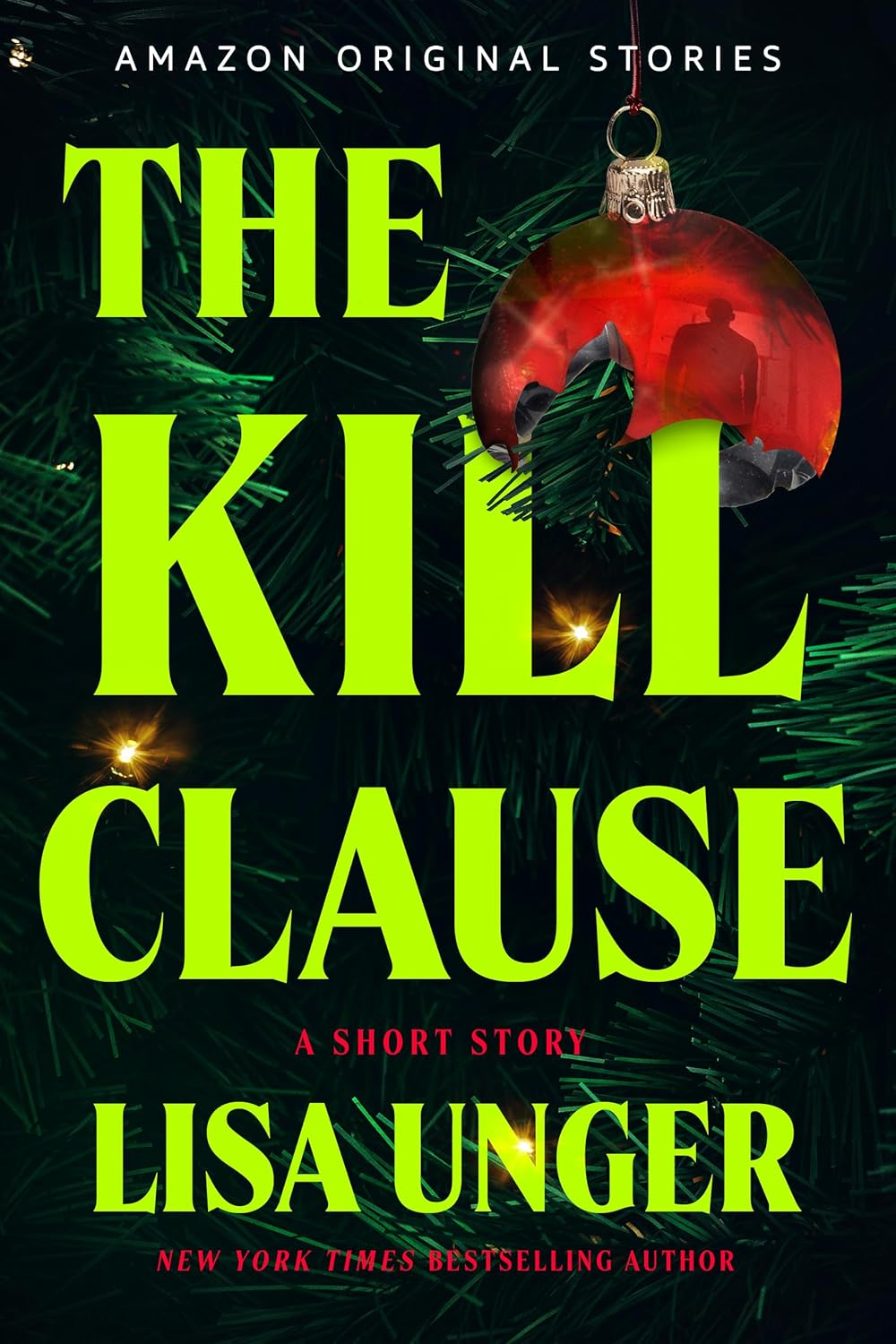
If you’ve spent years devouring Lee Child, Michael Connelly, or Vince Flynn, you know the “justice-denied” trope inside out. It’s the bread and butter of the thriller genre—the foundational spark that ignites a thousand revenge plots. But every so often, a book comes along that doesn’t just use the trope; it weaponizes it, turning a standard narrative device into a sharp, uncomfortable mirror held up to the reader’s own sense of morality. That brings us to The Kill Clause by Gregg Hurwitz.
At this point, I had to stop and think: can a book born in the early 2000s, an era defined by a very specific brand of post-9/11 intensity, still hold its weight in today’s hyper-fast, tech-driven literary market? While reading, what stood out to me was how visceral the emotional stakes felt, even decades after its initial release. This isn’t just a “shoot-’em-up” paperback destined for the airport rack; it’s a heavy, often suffocating look at what happens when a man of the law—someone who has dedicated his life to the sanctity of the badge—decides the law is broken beyond repair.
Is The Kill Clause worth reading today? If you’re looking for a sanitized hero who keeps his hands clean and his conscience light, probably not. But if you want a story that feels like a sustained punch to the gut and forces you to confront the darker impulses of the human heart, you’re in exactly the right place.
Beyond the Badge: What This Book Is Really About
The premise of The Kill Clause centers on Tim Rackley, a Deputy U.S. Marshal who is essentially the gold standard of law enforcement. He is a man built on the pillars of discipline, tactical precision, and an unwavering belief in the “System.” That is, until the system fails him in the most horrific way imaginable: the brutal murder of his young daughter and the subsequent release of the killer on a technicality that feels less like a legal safeguard and more like a cruel joke.
Instead of a standard, lone-wolf revenge flick where the hero goes on a singular rampage, Hurwitz introduces a much more complex catalyst: “The Commission.” This is where the book gets interesting—and where opinions may split among seasoned readers. The Commission is a shadow group of individuals who have all suffered similar losses. They are successful, intelligent people—not thugs—who have decided to take the “cleaning up” of society into their own hands through a highly organized, democratic form of execution.
This isn’t just a hunt for a killer; we are watching a man dismantle his own soul, piece by piece, to fit into a world where justice is a manual labor job. It explores the terrifyingly logical steps of grief-driven radicalization. How much of yourself can you sacrifice before the “good man” you used to be becomes unrecognizable? Some readers will find this transition jarring, but in my view, it is the most hauntingly realistic aspect of the novel. It’s a study in the consequences of unchecked trauma.
The Hurwitz Voice: Muscle, Grit, and Precision
As a long-time genre reader, I’ve grown weary of “muscle-bound” prose—those books that mistake excessive adjectives and hyper-masculinity for actual depth. Thankfully, Hurwitz avoids that trap with a surgical precision. His writing style is what I’d call “intelligent grit.” It’s muscular and fast-paced, yes, but there’s a psychological layer here that you don’t always find in the mid-list thriller section. He doesn’t just describe a room; he describes it through the eyes of a tactical expert looking for exits and threats.
The pacing is relentless, though I wasn’t fully convinced by the density of the technical jargon at first—at least not until I realized how much it grounded Tim’s character. He is a man of details, a man who survives by knowing the exact specifications of his gear and the geometry of a room. The prose reflects that obsession. Some readers may experience this differently, perhaps finding the gear-talk a bit much, but I found the clinical descriptions of tactical maneuvers to be a necessary anchor for the high-octane emotional chaos. It provides a cold contrast to the boiling rage beneath Tim’s skin.
At certain points, it feels like the author is trying to out-intensify himself, which leads to a few “over-the-top” moments that stretch the limits of credibility. Yet, the emotional gravity of the Rackley family’s loss usually brings the narrative back down to earth before it becomes a cartoon. I found myself questioning if the action was too cinematic, but then Hurwitz would pivot back to a quiet, devastating moment of grief that felt entirely too real.
Dark Themes and the Echoes of Grief
What the book really does well—better than almost any of its contemporaries—is capturing the “after” of a tragedy. It’s not just about the hunt; it’s about the deafening silence in a house that used to be full of a child’s laughter. Hurwitz spends time in the wreckage of a marriage, showing how two people can experience the same loss and be driven in diametrically opposite directions. The deeper message isn’t that vigilantism is “cool” or “heroic”—it’s that vigilantism is a desperate admission of total failure.
This is where the book truly lingers. Long after you finish the final chapter, you’ll find yourself asking: At what point would I break? In my view, the book is less a celebration of revenge and more a cautionary tale about the price of playing God. It’s a somber reflection on how easily the line between the hunter and the prey can blur until they are indistinguishable. The consequences of Tim’s actions aren’t just legal; they are spiritual and psychological, and the book doesn’t shy away from showing the scars that never heal.
5 Things This Book Does Especially Well
- Emotional Authenticity: The depiction of Tim and his wife Dray’s grief is raw, messy, and avoids the usual “stoic hero” cliches. It captures the jagged edges of a life interrupted by violence.
- The Moral Gray Zone: It doesn’t give you the comfort of easy answers. You’ll find yourself feeling “dirty” for rooting for certain outcomes, which is the hallmark of a truly challenging thriller.
- Tactical Realism: As a U.S. Marshal, Tim’s methods feel meticulously researched. The way he approaches a stakeout or a breach feels authentic and grounded in real-world procedure rather than Hollywood flash.
- Antagonist Complexity: The “villains” here aren’t just cardboard cutouts to be knocked down; they are manifestations of a broken system, and their existence raises uncomfortable questions about society’s failings.
- Atmospheric Tension: The “no-man’s-land” between the law and the Commission is thick with a sense of impending doom. Hurwitz builds a world where you feel the walls closing in on the protagonist from both sides of the law.
Where the Book May Divide Readers
I’ll be honest: some readers will love this, but others might find the unrelenting violence or the pervasive bleakness too much to handle. This may not work for everyone. There is a specific brand of early-2000s intensity here—a sort of “hard-boiled” fatalism—that can feel slightly dated if you prefer the more “cerebral” or “tech-heavy” thrillers of the current decade.
Furthermore, the secondary characters within the Commission occasionally feel a bit archetypal, serving more as philosophical mouthpieces than fully fleshed-out individuals. I would have liked to see a bit more friction and internal pushback within the group; at times, they feel a little too unified in their mission, which can undercut the realism of such a radical organization. It’s a small limitation in an otherwise stellar debut, but for a reader looking for deep ensemble development, it’s worth noting.
How It Compares to the Genre Giants
In the world of The Kill Clause book reviews, it’s often compared to the gritty street-justice of Death Wish or the relentless pursuit seen in the Punisher comics. However, I think it’s closer in spirit to the early works of Robert Crais or even Michael Connelly. It has that “L.A. Noir” DNA—the sense of a city rotting from the inside—but with the tactical precision of a Tom Clancy novel.
Compared to Hurwitz’s later, more polished hits like the Orphan X series, The Kill Clause is more grounded, more vulnerable, and arguably more heartbreaking. It lacks the “superhero” feel of later thriller protagonists. Tim Rackley isn’t a shadow-ops legend with infinite resources; he’s a man with a badge, a gun, and a broken heart, which, for a reader like me, makes his journey significantly more compelling.
Who Will Enjoy This and Who Might Not
You will love this if:
- You enjoy exploring the heavy psychological and emotional toll of violence rather than just the “bang-bang” action.
- You prefer “hard” thrillers that respect the reader’s intelligence regarding law enforcement procedures.
- You are drawn to protagonists who are forced to make impossible, morally questionable choices.
You might want to skip this if:
- You are particularly sensitive to themes involving crimes against children or the visceral aftermath of such tragedies.
- You prefer “cozy” mysteries or lighthearted, escapist action where the hero always does the right thing.
- You want a clear-cut, traditional “happy ending” where the world is restored to perfect order.
Everything You Need to Know
Is The Kill Clause worth reading for a new thriller fan? Absolutely. While it’s the start of a series, it works exceptionally well as a standalone introduction to the genre’s darker, more procedural side. It sets a high bar for what a debut thriller can achieve.
Is The Kill Clause book review positive overall? Yes, overwhelmingly so. It is widely considered a classic of the vigilante sub-genre and remains a pivotal, defining point in Gregg Hurwitz’s career as a master of suspense.
What is the main theme of The Kill Clause? The core theme is the agonizing conflict between legal justice and moral retribution. It asks whether the “kill clause” in our social contract can ever be justified when the system meant to protect us fails.
How does The Kill Clause summary compare to other Tim Rackley books? This is the “origin story” in every sense. It sets the stage for Tim’s evolution from a rigid man of the system to someone who understands the system’s deepest, most dangerous flaws.
Are there many spoilers in most The Kill Clause opinions? Because the “twist” of the Commission happens quite early in the narrative, most reviews discuss it freely. However, the actual resolution and the ultimate fate of Tim’s soul are usually kept under wraps to preserve the tension.
A Masterclass in High-Stakes Suspense
The Kill Clause remains a powerhouse in the thriller world, even after all these years. It manages a difficult balancing act: being both a pulse-pounding action novel and a somber, intelligent meditation on loss and the failure of institutions. It isn’t a “perfect book”—the pacing lags slightly in the middle as the philosophical debates take center stage, and the bleakness is undeniably heavy—but it is a necessary read for anyone who takes the genre seriously.
Rating: 8.5/10
If you are a long-time genre reader with high expectations, this book will likely meet them, then break them, and finally leave you staring at the wall long after the lights are out, questioning your own definitions of right and wrong.
Ready to Experience the Tension?
If you’re looking for your next “un-put-downable” read that actually has something to say, The Kill Clause is a top-tier contender. It’s a book that asks the hard questions about our society and refuses to provide the easy, comfortable answers we usually crave.
Check out The Kill Clause on Amazon and start the Tim Rackley journey today.
“Enjoyed this review? Discover more in our Mystery Reviews section.”


