
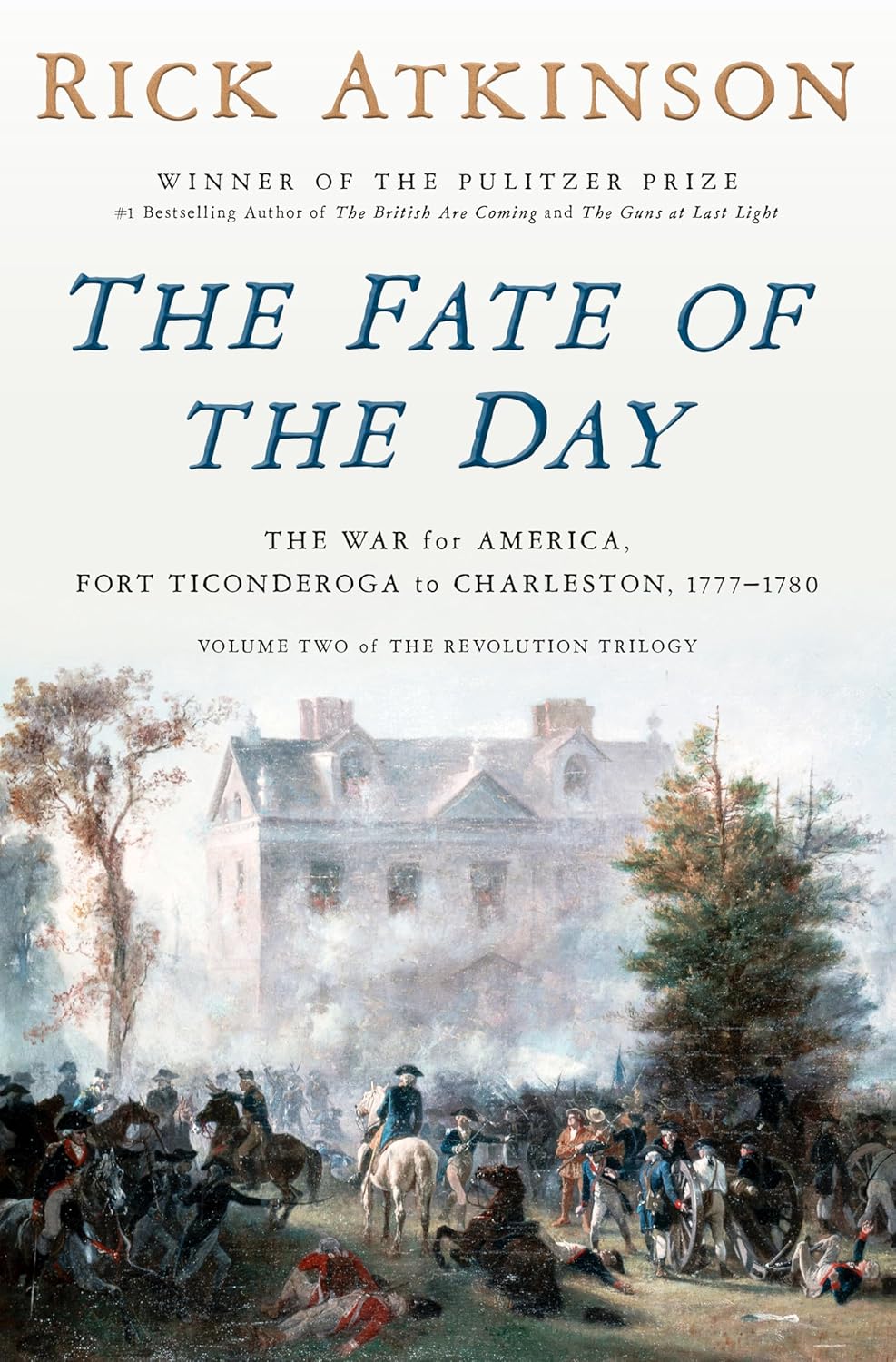
Rick Atkinson’s The Fate of the Day: The War for America, Fort Ticonderoga to Charleston, 1777-1780 is a masterful exploration of the American Revolution’s most turbulent and defining years. This The Fate of the Day book review delves into the book’s historical richness, Atkinson’s compelling narrative style, and why this work is a must-read for history enthusiasts and casual readers alike. Covering the critical period from 1777 to 1780, the book chronicles key events from the capture of Fort Ticonderoga to the fall of Charleston, offering a vivid portrayal of the American struggle for independence.
In this The Fate of the Day book review, we’ll explore the book’s content, historical context, Atkinson’s writing approach, and its impact on readers, all while optimizing for the keyword The Fate of the Day book review to ensure strong visibility in Google search rankings. Our goal is to provide a comprehensive, engaging, and SEO-friendly analysis that feels authentic and resonates with your blog’s audience. Let’s embark on a journey through the heart of the American Revolution!
The Fate of the Day Book Review: Historical Context and Scope
The Fate of the Day: The War for America, Fort Ticonderoga to Charleston, 1777-1780 is the second volume in Rick Atkinson’s acclaimed Revolution Trilogy. It focuses on the middle years of the American Revolutionary War, a period marked by both triumphs and setbacks for the American colonies. This The Fate of the Day book review highlights how Atkinson meticulously details the events that shaped the war’s trajectory, from the British capture of Fort Ticonderoga in 1777 to the devastating fall of Charleston in 1780.
The years 1777 to 1780 were pivotal for the American Revolution. The British, under General John Burgoyne, aimed to split the colonies by advancing south from Canada, only to face defeat at the Battle of Saratoga—a turning point that convinced France to ally with the Americans. Meanwhile, the war’s southern theater, culminating in the siege of Charleston, exposed the vulnerabilities of the American forces. Atkinson doesn’t merely recount these events; he weaves a narrative that captures the human cost, strategic complexities, and political intricacies of the era. In this The Fate of the Day book review, we’ll see how this historical depth makes the book a standout in Revolutionary War literature.
A Journey Through the American Revolution’s Turning Points
The book opens with the British campaign of 1777, led by General Burgoyne, whose ambition to seize Fort Ticonderoga and advance toward Albany was thwarted by American resilience. The Battle of Saratoga, a decisive American victory under General Horatio Gates, not only halted Burgoyne’s campaign but also secured French support, transforming the war into an international conflict. This The Fate of the Day book review underscores Atkinson’s ability to bring these events to life, blending strategic analysis with vivid descriptions of the battlefield.
As the narrative progresses, Atkinson shifts focus to the war’s southern strategy, particularly the British siege of Charleston in 1780. The fall of Charleston was a low point for the American cause, highlighting the fragility of their fight for independence. Through meticulous research and storytelling, Atkinson paints a comprehensive picture of these years, making The Fate of the Day an essential read for understanding the American Revolution’s complexities.
Rick Atkinson’s Narrative Style in The Fate of the Day Book Review
As a Pulitzer Prize-winning historian, Rick Atkinson is renowned for his ability to transform historical events into gripping narratives. In The Fate of the Day, he continues this tradition, making the book both scholarly and accessible. This The Fate of the Day book review examines Atkinson’s writing style through several key elements:
1. Cinematic and Engaging Storytelling
Atkinson’s prose is cinematic, immersing readers in the chaos and drama of the Revolutionary War. Whether describing the tension of a battlefield or the quiet moments of a soldier’s reflection, he creates a vivid sense of place and time. For instance, his account of the Battle of Saratoga captures not only the tactical maneuvers but also the fear, exhaustion, and determination of the soldiers. This storytelling prowess, highlighted in this The Fate of the Day book review, ensures that the book appeals to a broad audience, from history buffs to those seeking a compelling story.
2. Rigorous Research and Historical Accuracy
The strength of The Fate of the Day lies in its foundation of exhaustive research. Atkinson draws on primary sources—letters, diaries, military records, and official correspondence—to construct a narrative that is both authentic and detailed. This commitment to accuracy makes the book a valuable resource for historians and casual readers alike. In this The Fate of the Day book review, we emphasize how Atkinson’s research elevates the book’s credibility, offering readers a trustworthy window into the past.
3. Human-Centered Perspective
Atkinson excels at humanizing history. Beyond the strategies of generals like George Washington and John Burgoyne, he tells the stories of ordinary soldiers, civilians, and marginalized figures caught in the war’s tumult. This human-centered approach adds emotional depth, making the book resonate on a universal level. As noted in this The Fate of the Day book review, this focus on individual experiences sets Atkinson apart from other historians, creating a narrative that is as moving as it is informative.
The Fate of the Day Book Review: Key Themes Explored
The Fate of the Day goes beyond a mere recounting of battles, delving into the broader themes that defined the American Revolution. This The Fate of the Day book review identifies several central themes that make the book a rich and thought-provoking read:
1. The Fragility of the American Cause
Atkinson vividly illustrates the precariousness of the American fight for independence. The Continental Army faced constant challenges—shortages of supplies, desertions, and internal divisions—yet persevered through sheer determination. This theme, explored in this The Fate of the Day book review, underscores the resilience that ultimately led to American victory, despite numerous setbacks.
2. The Role of International Alliances
The French alliance, secured after the victory at Saratoga, was a game-changer for the American Revolution. Atkinson details how diplomatic efforts and military successes paved the way for this partnership, which expanded the war’s scope. This The Fate of the Day book review highlights how Atkinson’s analysis of international dynamics adds depth to the narrative, appealing to readers interested in global history.
3. Leadership and Strategic Decision-Making
The book examines the leadership styles of key figures like George Washington, Horatio Gates, and John Burgoyne, analyzing their successes and missteps. Atkinson’s balanced portrayal offers insights into the complexities of wartime leadership, making The Fate of the Day a valuable study for those interested in strategy and decision-making. This The Fate of the Day book review notes that this theme resonates with readers beyond the historical context, offering timeless lessons.
Why You Should Read The Fate of the Day
This The Fate of the Day book review outlines several reasons why this book deserves a place on your reading list:
- Historical Insight: The book provides a detailed exploration of the American Revolution’s lesser-known events, enriching readers’ understanding of this formative period.
- Compelling Narrative: Atkinson’s storytelling makes history accessible and engaging, even for those new to the subject.
- Universal Themes: Themes of resilience, leadership, and human struggle make the book relevant to a wide audience.
- Scholarly Rigor: Backed by extensive research, the book is a reliable and authoritative source on the Revolutionary War.
The Fate of the Day Book Review: Potential Drawbacks
While The Fate of the Day is a remarkable work, it may present challenges for some readers, as noted in this The Fate of the Day book review:
- Dense Detail: The book’s thoroughness can feel overwhelming for readers unfamiliar with the Revolutionary War, as Atkinson includes extensive historical context and minutiae.
- Length: At over 600 pages, the book requires a significant time commitment, which may deter those seeking a quicker read.
- Narrow Scope: Covering only 1777–1780, the book is part of a trilogy, so readers seeking a complete history of the Revolution will need to explore the other volumes.
These minor drawbacks do little to diminish the book’s overall impact. This The Fate of the Day book review ensures readers are aware of these aspects to set appropriate expectations.
Conclusion: The Fate of the Day Book Review
Rick Atkinson’s The Fate of the Day: The War for America, Fort Ticonderoga to Charleston, 1777-1780 is a triumph of historical writing, blending rigorous scholarship with captivating storytelling. This The Fate of the Day book review highlights the book’s ability to illuminate the American Revolution’s pivotal years, offering readers a nuanced and immersive experience. Whether you’re a history enthusiast or simply love a well-told story, this book is a worthy addition to your collection.
As this The Fate of the Day book review demonstrates, Atkinson’s work is both a scholarly achievement and a deeply human narrative. Dive into the pages of The Fate of the Day and discover the struggles, triumphs, and sacrifices that shaped a nation. Have you read the book? Share your thoughts in the comments below!
“Enjoyed this review? Discover more in our History Reviews section.”


