
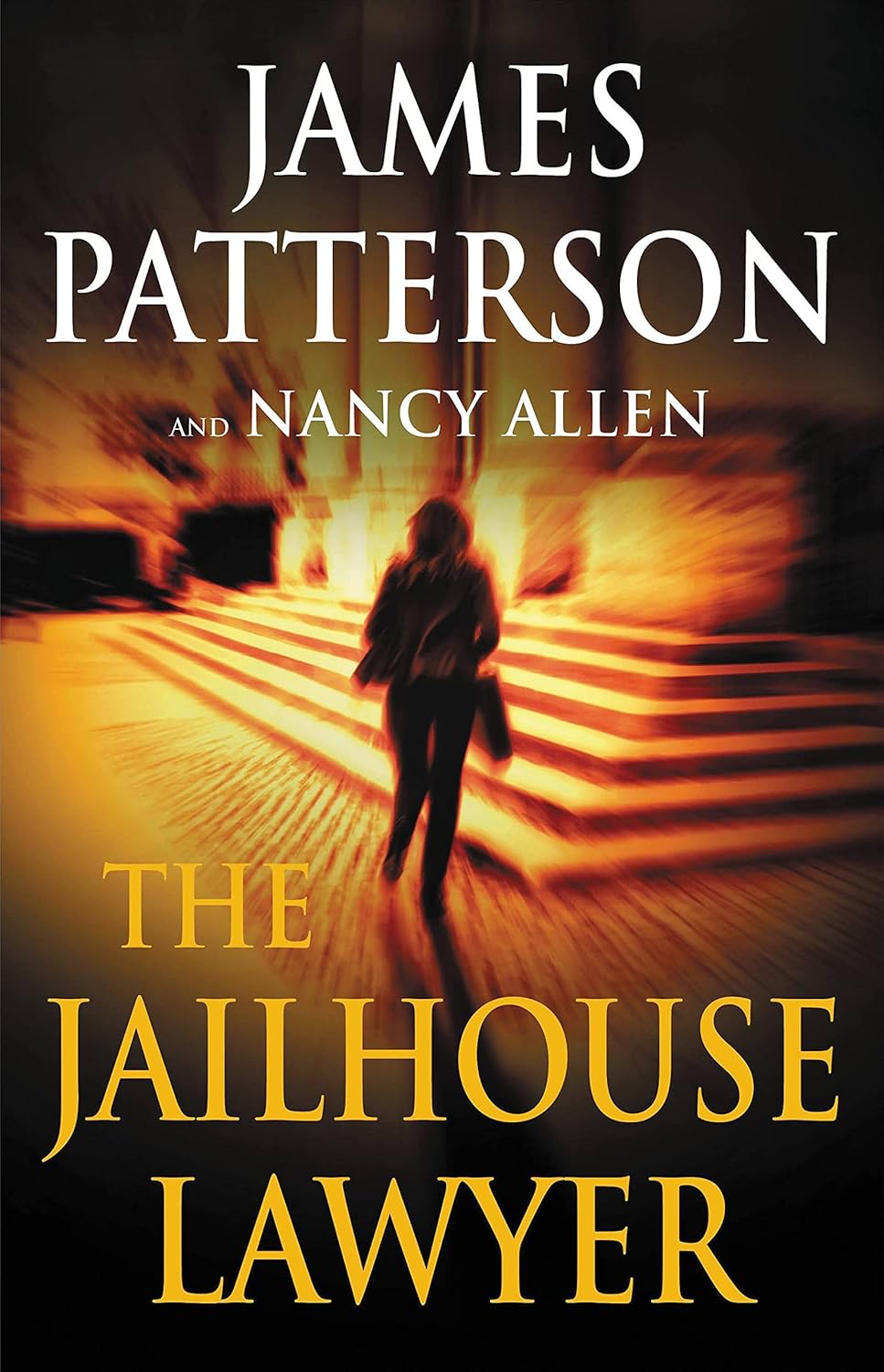
There is a specific kind of gravity that comes with a James Patterson nameplate, usually promising high-speed chases or psychological mind games. However, when I picked up The Jailhouse Lawyer, co-authored with Nancy Allen, I found myself leaning into a different kind of tension. It isn’t just about the “who-done-it,” but rather a “how-is-this-happening” look at small-town justice. It moves away from the global conspiracies of Patterson’s other series and settles into the dusty, high-stakes reality of local power.
If you’ve ever sat in a courtroom and felt that the air was a little too thick with secrets, or if you’ve ever felt that certain people are simply “above the law” because of their last name, this book taps directly into that vein.
Does the Hype Meet the Page?
Before we dive into the weeds, let’s address the big question: is this The Jailhouse Lawyer book review going to tell you to run out and buy it? In my view, it depends entirely on what you want from your evening. If you are looking for a dense, Tolkien-esque exploration of legal philosophy or a 600-page historical epic, look elsewhere. But if you want a story that makes you want to shout at the characters through the page—a story where the injustice is so palpable you can feel your pulse quicken—you’re in the right place.
The story centers on a young lawyer in a small Alabama town—a place where the law isn’t just a set of rules, but a weapon used by those in power to maintain the status quo. While reading, what stood out to me was how quickly the “safety” of a small-town setting can turn claustrophobic. It’s a fast-paced ride, yet it carries a weight that lingers, forcing the reader to confront the terrifying reality of being trapped in a legal system that has no interest in the truth. It’s about the vulnerability of the individual against an institution that has forgotten its purpose.
The Weight of a Small-Town Gavel
What the book really does well is establishing the atmosphere of Erva, Alabama. It feels lived-in and deeply authentic. You can almost smell the old wood of the witness stand, the metallic tang of the holding cells, and the heavy, stagnant humidity of the summer air. Our protagonist, Brooke Adams, isn’t some superhero with infinite resources; she’s a lawyer trying to do her job in a system that is actively, and sometimes violently, rigged against her clients.
At this point, I had to stop and think: how often do we actually consider the plight of those stuck in “the system” without a voice? The “jailhouse lawyer” of the title isn’t just a clever phrase or a plot device; it’s a lifeline for people the world has decided to forget, a symbol of resistance in a place where hope is usually a luxury. The book dives deep into the psychology of those behind bars who have no choice but to become their own advocates.
However, I wasn’t fully convinced by the speed of some of the character shifts—at least not at first. Sometimes a character goes from “suspicious” to “villainous” in a heartbeat, which can feel a bit jarring if you’re used to more slow-burn character development where motives are peeled back like layers of an onion. Still, the relentless momentum of the plot usually carries you past those bumps before you have time to dwell on them. You’re too busy worrying about Brooke’s next move to worry about a supporting character’s sudden change of heart.
Pacing, Prose, and the Patterson Touch
The writing style here is classic “Patterson”—short chapters, punchy dialogue, and a relentless forward motion that leaves little room for boredom. Nancy Allen’s influence is felt in the legal procedural details, which feel grounded, gritty, and surprisingly authentic.
- The Rhythm: The chapters are bite-sized. You think you’ll read one more before turning out the light, and suddenly you’ve read ten, and it’s two in the morning. This is the definition of “propulsive” storytelling.
- The Voice: It’s accessible and direct. There’s no dense legal jargon that requires a law degree to decipher, which makes the stakes feel more personal and the danger more immediate.
- The Tension: It builds like a slow-moving storm on the horizon. You know the lightning is coming; you just don’t know where it will strike or who will be standing when the clouds finally clear.
This is where opinions may split. Some readers adore the “just one more chapter” style that prioritizes action over introspection, while others might wish for more descriptive flourishes or poetic internal monologues. Personally, I found the lean prose refreshing for this specific story. It felt like the book was in as much of a hurry to find justice as Brooke was, reflecting her own urgency and desperation.
Why This Story Sticks (And Where It Slips)
Is The Jailhouse Lawyer worth reading? If you enjoy stories about the underdog fighting a corrupt “Old Boy” network, the answer is a resounding yes. It taps into a primal desire to see the powerful held accountable.
The strengths are clear:
- Relatable Stakes: It’s easy to root for Brooke because her struggle feels real. Her fears are tangible, and her mistakes make her human.
- Villains You Love to Hate: The corruption in Erva is visceral. It’s not just “business”; it’s personal, petty, and deeply cruel.
- Twists that Land: Just when you think the path to victory is clear, the authors throw a curveball that feels earned rather than forced.
- Social Commentary: It touches on the flaws in the American legal system—the cash bail issues, the lack of representation, and the abuse of power—without ever feeling like a lecture.
- Atmospheric Detail: The setting is as much a character as the people, looming over every scene with a sense of historical baggage.
Some readers may experience this differently, but I felt the ending was perhaps a bit too tidy given the absolute chaos that preceded it. In my view, a slightly messier conclusion—one that acknowledged the long-term scars of such a battle—might have felt more “human,” but I understand the desire for a satisfying, clean payoff after such a high-stress journey.
Comparing the Legal Landscape
When we look at this in the context of modern reading habits, it fits perfectly into the “commuter” or “vacation” category. It’s a book that demands your full attention while you’re in it but doesn’t drain your emotional battery to the point of exhaustion. Compared to older legal thrillers that might spend fifty pages on a single deposition or a technicality of contract law, The Jailhouse Lawyer keeps the blood pumping.
Some readers will love this efficiency. Others might not. If you prefer the heavy, methodical pacing of a Scott Turow novel where every legal minute is accounted for, this might feel a bit light. But if you want the grit of Grisham mixed with the breakneck speed of a modern thriller, this is your sweet spot. It bridges the gap between a procedural and a high-stakes survival story.
Who Should Pick This Up?
I’d recommend this to anyone who enjoys a good David vs. Goliath story. It’s for the reader who likes their justice served with a side of adrenaline and doesn’t mind a few uncomfortable truths about the world along the way. If you are sensitive to themes of systemic injustice or the mistreatment of those in custody, be prepared—this book doesn’t pull its punches regarding how “the law” can be manipulated to crush the weak.
I wasn’t sure if I’d connect with Brooke at first—she seemed almost too idealistic for the world she lived in—but as the town started to close in on her and her options dwindled, I found myself fully invested in her survival. It’s a testament to the writing that her journey from idealism to hard-earned wisdom feels so compelling.
Frequently Asked Questions
Is The Jailhouse Lawyer book review showing it as a standalone? Yes, you can read this without having read any other Patterson or Allen books. It’s a self-contained story that wraps up its main arcs beautifully, making it a great entry point for new readers.
What kind of book is The Jailhouse Lawyer? It is primarily a legal thriller with strong elements of a suspense novel. It focuses heavily on courtroom drama, small-town corruption, and the personal risks taken by those who blow the whistle.
Who should read The Jailhouse Lawyer? Fans of legal dramas, stories about systemic corruption, and readers who enjoy fast-paced thrillers with resilient female leads will find a lot to love here.
Is The Jailhouse Lawyer slow-paced or fast-paced? It is decidedly fast-paced. The short chapters, rapid dialogue, and constant escalation of stakes ensure the story never drags, making it an ideal choice for binge-reading.
Is The Jailhouse Lawyer worth reading for fans of courtroom drama? Absolutely. While it has plenty of suspense and action outside the court, the heart of the book is the legal battle and the clever manipulation of the judicial system.
Final Verdict: The Score
This was a compelling, if occasionally breathless, look at the darker corners of the legal world. It captures the frustration of fighting an invisible enemy and the triumph of finding even a tiny crack in the armor of the powerful. It reminds us that while the system may be flawed, the individuals within it can still make a difference.
Final Score: 8.2 / 10
My reasoning is simple: the book excels at its primary goal—keeping you glued to the page and making you care about the outcome. While it leans into some familiar genre tropes and the ending feels a bit swift, it does so with such energy and conviction that it’s hard not to be swept up in the drama. If you’re looking for your next “can’t-put-it-down” read for a weekend getaway or a long flight, I genuinely suggest giving this one a spot on your nightstand. It’s an honest, gripping piece of entertainment that reminds us why we root for the underdog in the first place.
The Jailhouse Lawyer Amazon LINK
“Enjoyed this review? Discover more in our Mystery Reviews section.”


